Holmdel's Median Price Is Two Housing Markets Wearing One Number
"Outstanding design, craftsmanship, and attention to detail." That's how one recently completed home on Holmdel Road describes itself: a five-bedroom, 4,056-square-foot new build on a half-acre lot from Home Junction Development Group. It's also a fair description of Holmdel's small new-construction segment and a poor description of the older housing that makes up most of the town's stock, which is exactly the problem with quoting a single median price for this town.
Pull up Holmdel's home values on three different sites in the same afternoon and you'll get three different pictures of the market. One tracker puts the median sale price at $1,450,000 for August 2026, built from 71 closed sales that month. Another shows a trailing twelve-month median of $996,500 across 170 sales. A third, working from the 07733 zip code specifically, reported a $1.0 million median as of an October 2025 read, up 14.4% year over year. None of these numbers is wrong. They're measuring different slices of the same small town, and the slices don't look alike.
Here's what a buyer researching Holmdel actually finds when they check around:
| Source basis | Time window | Median figure | Sample size |
|---|---|---|---|
| Monthly closed sales | August 2026 | $1,450,000 | 71 homes sold |
| Trailing 12 months | through mid-2026 | $996,500 | 170 homes sold |
| Zip code 07733 | October 2025 | $1.0 million | 57 homes sold |
| Average value index (Township boundary) | as of 8/31/2026 | $923,421 | index, not sale price |
| Average value index (broader area boundary) | as of 8/31/2026 | $1,125,102 | index, not sale price |
Even the automated valuation tools disagree with themselves. Two versions of the same average-value index, drawing on slightly different geographic boundaries for what people casually call "Holmdel," come back $200,000 apart. That's not measurement error. It's what happens when a town has few enough transactions that the mix of what sold in a given month moves the average more than any real shift in value does.
Holmdel is a small market. Somewhere between 43 and 71 homes are active for sale at any given point, and the monthly sales count swings from the teens to the seventies depending on the window you use. In a market that thin, a handful of luxury closings in one month can drag the median up six figures, and a quiet month with mostly older resales can drag it right back down. The number isn't lying. It's just too small a sample to hold still.
The deeper reason Holmdel's median jumps around isn't just sample size. It's that the town is genuinely selling two different products under one town name.
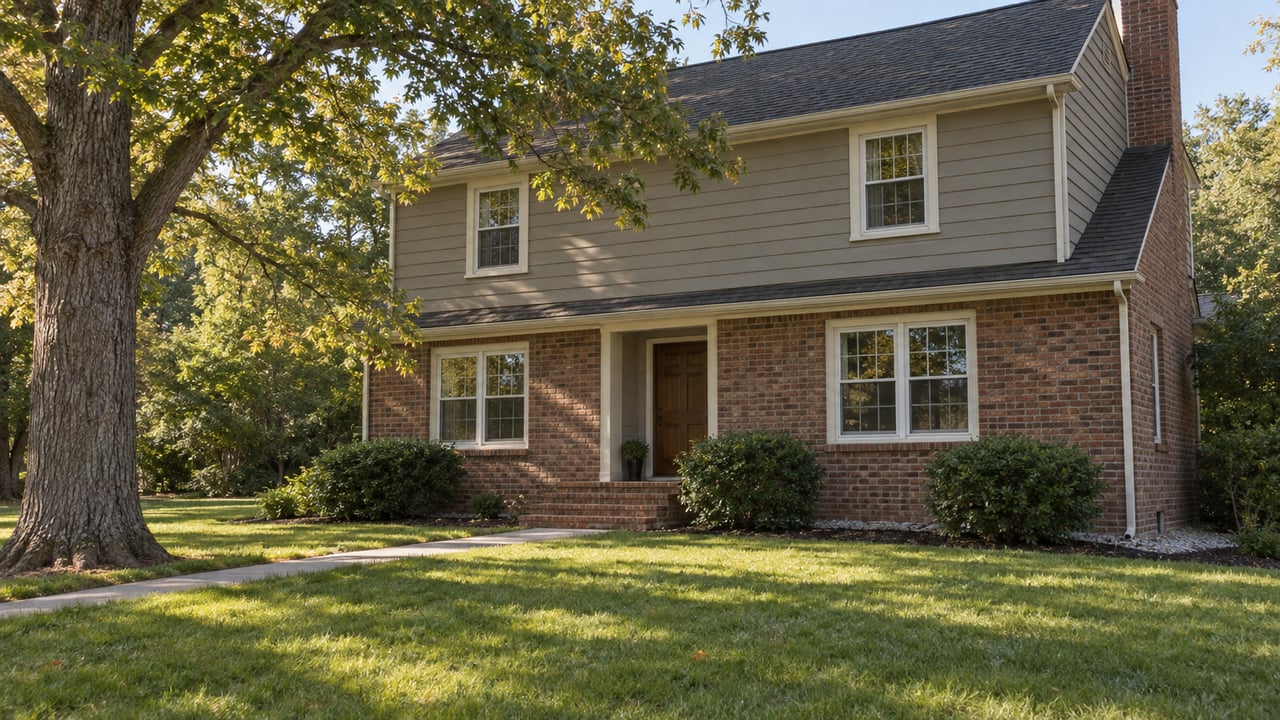
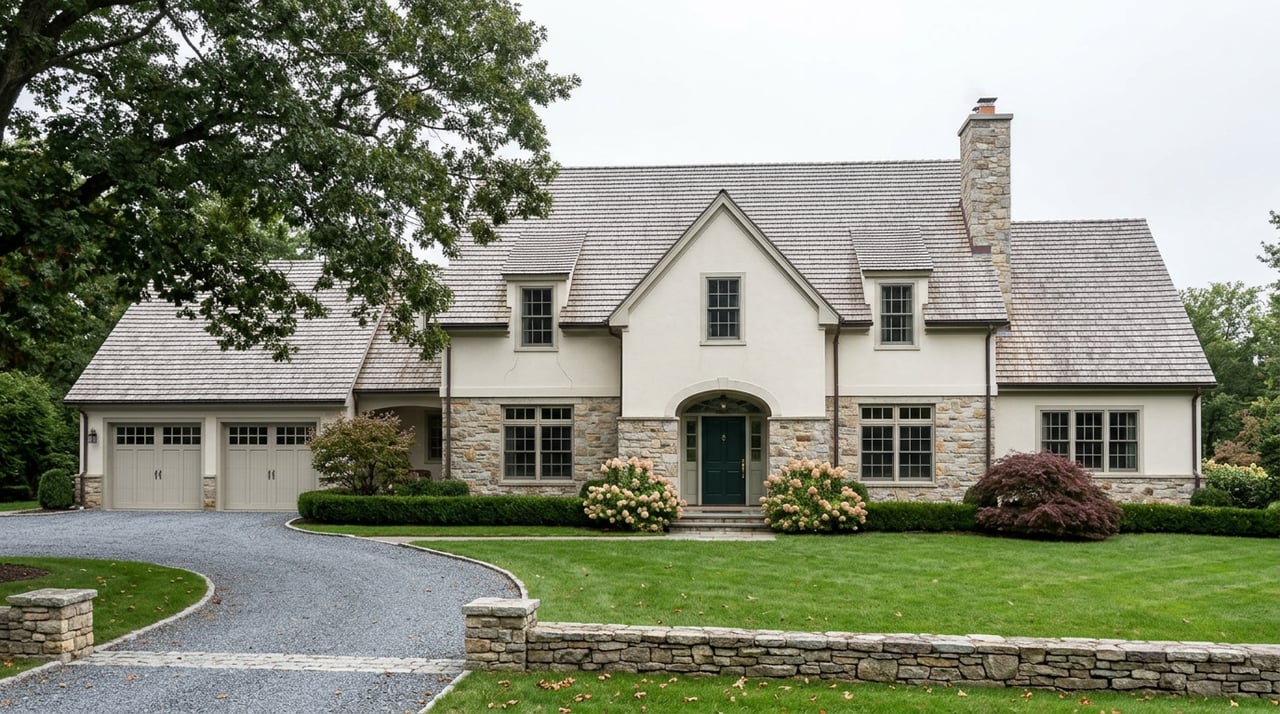
The bulk of Holmdel's housing was built between 1970 and 1999, accounting for roughly 62% of the stock. These are the split-levels, colonials, and ranches that make up the town's original neighborhoods, the homes most buyers picture when they think of Holmdel. They trade at prices well below the headline luxury figures.
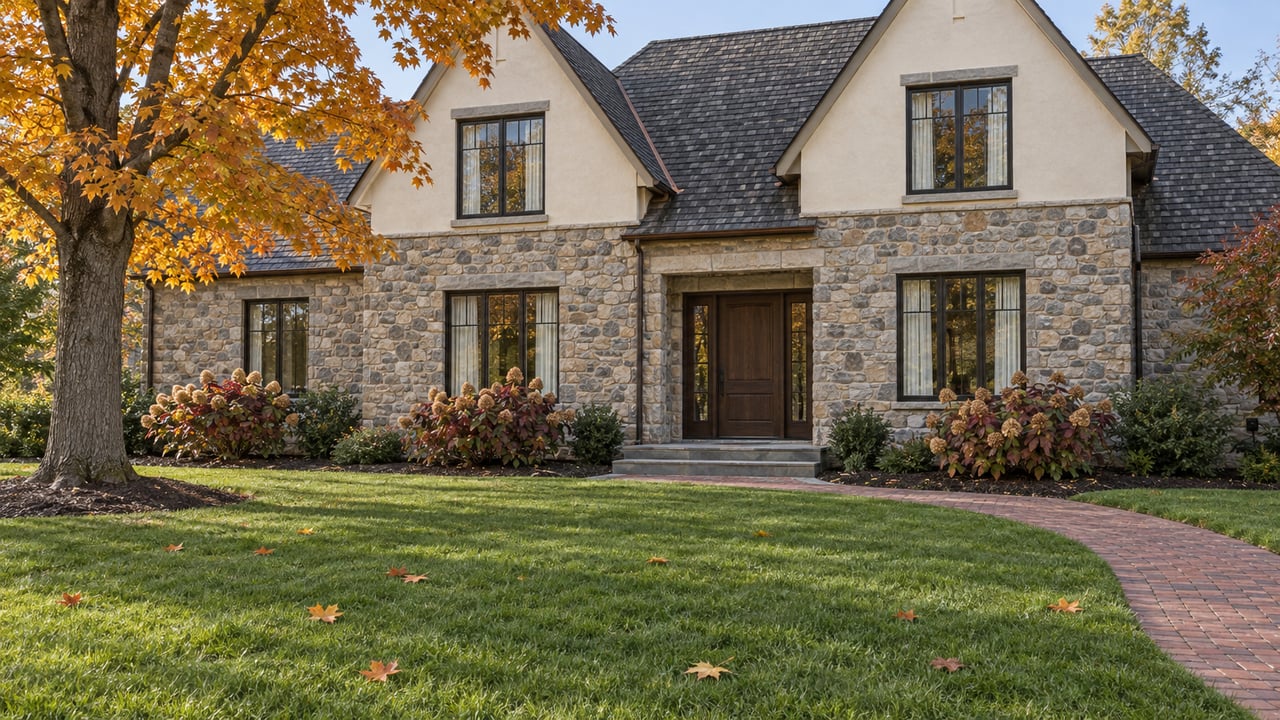
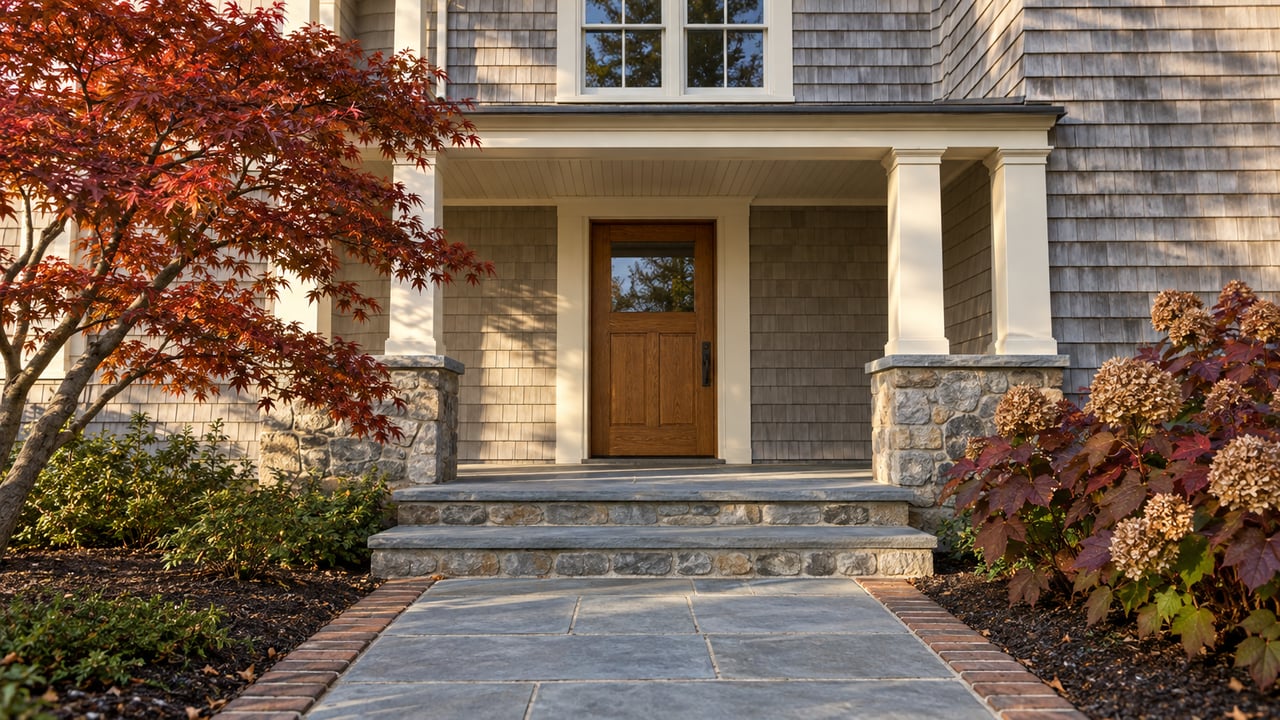
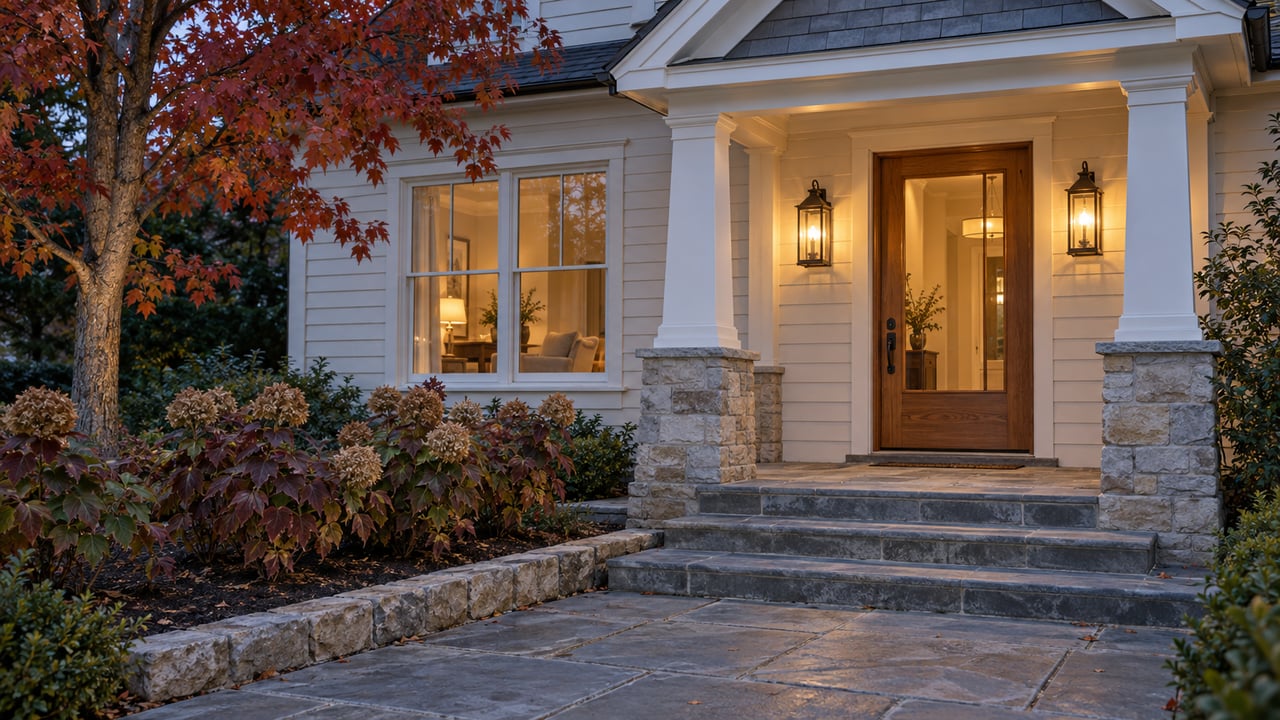
Set against that is a small but active new-construction segment. As of recent listing data, there were only three new homes for sale in Holmdel Township, carrying a median listing price of $1.4 million. Builders active in town include Home Junction Development Group, Toll Brothers, and Hallmark Homes, working largely on infill and teardown lots rather than large master-planned subdivisions. The Holmdel Road property mentioned above sits on a flat, fully usable half-acre. Another recent new build sits on 1.35 acres with a three-car garage. These are custom or semi-custom builds replacing older houses one lot at a time, not a single new neighborhood large enough to anchor a stable median on its own.
When three $1.4 million teardown rebuilds close in the same month as a wave of 1980s colonials, the reported median jumps toward the new construction. When the month is quieter on the new-build side, it settles back toward the older stock. Neither number describes "Holmdel home prices." Each one describes whichever mix of the two markets happened to close escrow that month.
This is where the confusion turns into a real decision-making problem. A buyer who anchors to a $1.45 million headline median and starts touring $950,000 listings will wonder why the houses look nothing like what the number implied. A buyer anchored to $996,500 who then falls for a brand new half-acre estate will be caught off guard by a price point 40% higher than what they budgeted for.
The pace of the market complicates this further. Homes across Holmdel have been averaging around 34 days on market as of August 2026, up from 27 days the year before, per one tracker's monthly read. Over a full trailing year, the average settles closer to 28 days. The zip-code-specific read from a year earlier showed just 19 days. None of these numbers are inconsistent so much as they're each describing a different combination of quick-selling resales and slower-moving new construction, blended at a different ratio depending on the window.
A seller listing a 1985 split-level and a buyer touring a brand new spec home a mile away are, in a real sense, participating in two different markets that happen to share a zip code and a school system. Holmdel Township's building and construction office, which reviews and permits this kind of infill work, has continued fielding a steady stream of new single-family construction and teardown applications, evidence that this two-track pattern is an ongoing feature of the town rather than a one-time blip.
For a family comparing Holmdel to other Monmouth County towns, the practical fix is simple: stop comparing yourself to the town median and start comparing yourself to the era of home you're actually shopping.
If you're looking at homes built in the 1970s through 1990s, which is most of what's on the market at any given time, your realistic comparison set is other homes from that same era, not the headline figure pulled up by a new-construction closing three streets over. Price per square foot within that resale segment is the number worth tracking, not the townwide median that a few luxury sales can distort.
If you're specifically hunting for new construction, understand you're shopping in a genuinely thin slice of the market. With only a handful of new builds active at once, from a short list of builders working lot by lot, prices in that segment behave more like custom home pricing than like a subdivision price list. Expect the $1.4 million range to move as much lot by lot as it does month to month.
For sellers with an older home, the caution runs the other direction. If your listing agent pulls comps that include a nearby new teardown build, your home may get priced or perceived against a product it was never competing with. A 1980s colonial and a 2026 spec-built estate are different goods, and treating them as one market risks a listing price that either scares off realistic buyers or leaves money on the table.
Why do different sites show such different Holmdel prices? Because each pulls from a different sample size and time window, and Holmdel's monthly sales volume is small enough that a few high-end closings can swing the average significantly. It's not that one source is right and the others are wrong. They're each snapshotting a different mix of the same two housing stocks.
Is now a good time to buy in Holmdel? That depends far more on which segment you're shopping, resale or new construction, than on the townwide median. A resale buyer and a new-construction buyer are effectively pricing against different comparison sets, and timing advice that applies to one doesn't automatically apply to the other.
Should I wait for the market to settle before making an offer? Holmdel's price swings are largely a function of sample size, not a market correcting itself. Waiting for the median to "stabilize" may mean waiting for a small town to somehow produce a much larger, steadier flow of sales, which isn't how a market this size behaves.
If you're trying to figure out which Holmdel you're actually shopping in, an older resale or a new-construction rebuild, and what that means for your offer strategy, Gregg Casaburi can walk through the current inventory with you street by street. Let's Connect.
Work with a trusted real estate professional dedicated to personalized service, expert negotiation, and exceptional results from start to finish. Experience professional guidance backed by business expertise, market knowledge, and a client-first approach designed to maximize your results.